Structure of the 3 Day Course

Day 1

Registration.

Comprehensive discussion of chronic pain presentation and treatment. 

History of Acupuncture & Dry Needling.

Neurophysiological evidence base for needling. 

Overtraining syndromes and delayed onset muscle soreness.     

Discussion of modern utd understanding of inflammation and repair.

Recovery from fatigue underperforming syndromes (balancing the hormonal and endocrine systems).

Biopsychosocial issues to consider with treatment 

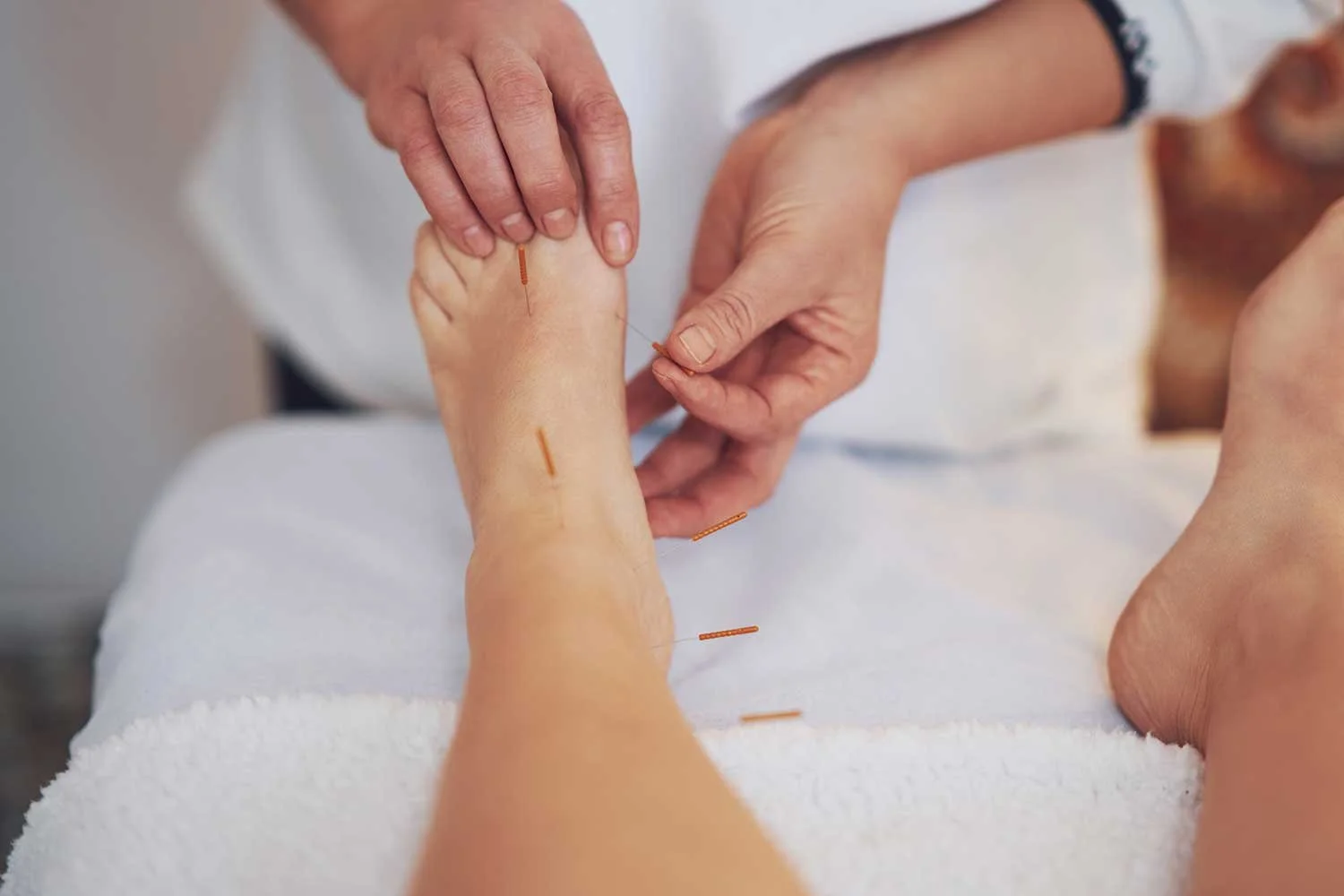
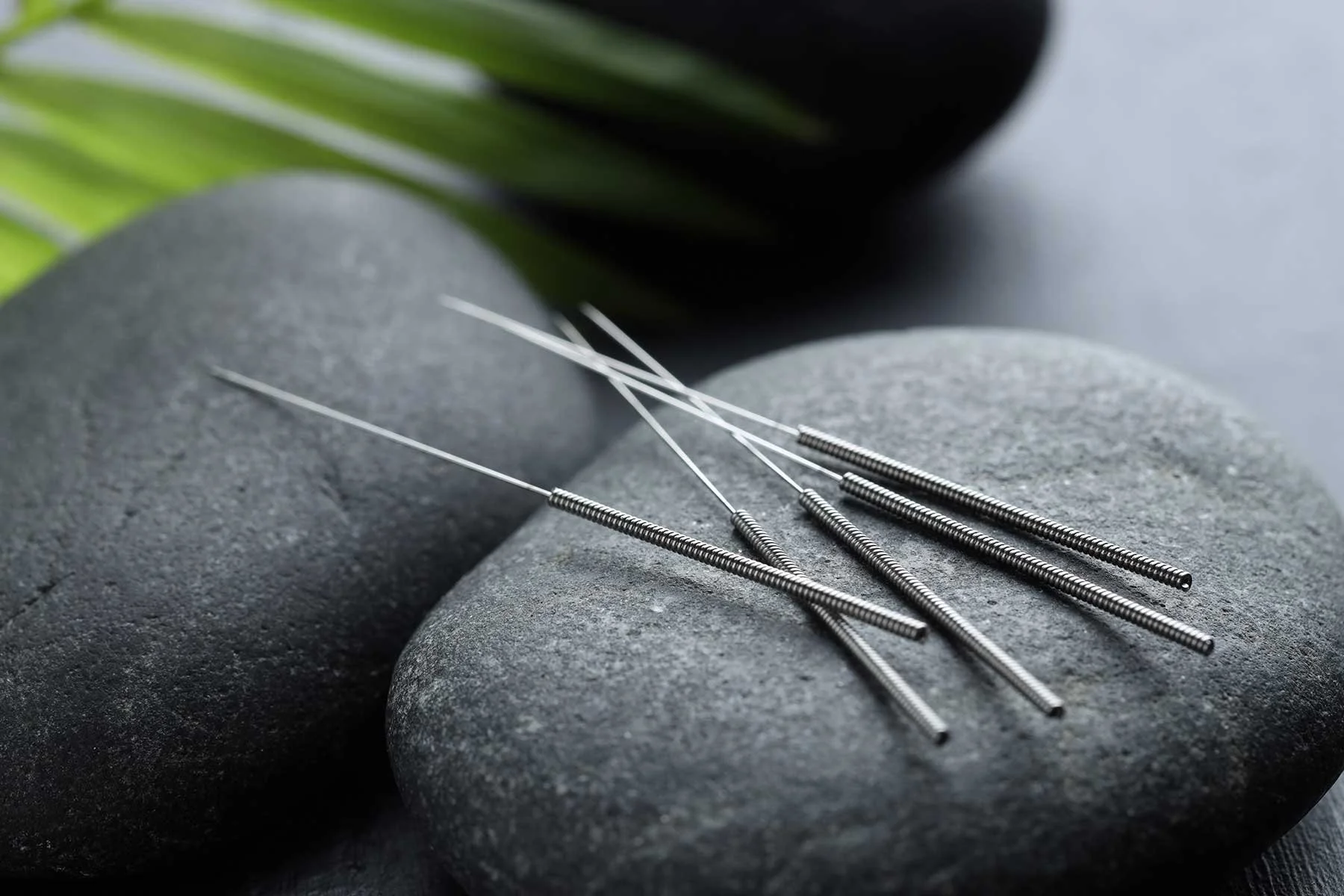
Introduction to needles, contraindications and techniques.

Safety and Contraindication training and discussion (Included will be papers and diagrams to ensure safe needling).

Commencement of some practical work on hamstrings and lower limb.

Finish.

Day 2

Practical treatments sessions on lower limb

  • Achilles Tendinopathy

  • Plantar Fasciitis

  • Shin Splints

  • Ankle Sprains

  • All muscles of lower limb

  • Knee Collateral Ligament Sprains

  • Knee Arthritis & Bursitis

  • Runners Knee

  • Patella Tendinopathy

  • Chondromalacia Patella

  • Hip Arthritis & Bursitis

  • Glute Tendinopathy

  • Major Hip Muscles including QL and Psoas

  • Upper Groin Strains

All musculotendinous junctions.

Day 3

Upper Limb

  • Wrist Sprains

  • Carpal Tunnel Syndrome

  • Thumb Tendinopathy

  • Golf & Tennis Elbow

  • Elbow Dysfunction

  • Rotator Cuff

  • Shoulder Bursitis

  • Shoulder Impingement

  • All muscles of upper limb and neck

  • Tension Headaches

  • TMJ Dysfunction

  • Posterior Spinal Points

  • Spinal Muscles

  • Upper Chest Muscles

Supplier Visit with opportunity to purchase needles and electro acupuncture machine.

Presentation of Certificates

3 DAY COURSE

SPECIFIC LEARNING OUTCOMES

On completion of course you will:

  • Be able to immediately utilise your new skills.

  • Be confident that you have received the highest degree of safety instruction.

  • Be aware of the contraindications and potential dangers of dry needling and be very clear on what areas or which patients to avoid using dry needling on.

  • Understand the mechanics of how dry needling is effective.

  • Understand the basics of chronic pain and the ways in which pain pathways become sensitised and how nerve pain can be treated.

  • Understand how the endocrine and immune systems have roles in pain modulation.

  • Understand up to date evidence-based research around needling for chronic pain and inflammatory conditions.

  • Be aware of and apply current best practice treatment for tendinopathies.

  • Have a practical technique for each joint and muscles acting on that joint.

  • Be able to use electro needling safely and effectively.

  • Understand the neurological pathways that dry needling affects.

  • Undertaken a revision of trigger point location and physiology.

Be able to locate and needle anatomical points in the wrist, elbow, shoulder, ankle, knee, hip, neck and lower back.

Gallery

Receiving Certificates